
When an AED fails during a cardiac emergency, families are often left wondering whether the outcome could have been prevented.
Whether the problem involved a malfunctioning device, delayed response, or poor maintenance, Hale Law helps victims and families across Venice investigate what went wrong and who may be legally responsible.
With early involvement, our lawyers move quickly to preserve evidence and develop a clear understanding of what happened, supporting your case from the start.
Call us at (941) 735-4529 or contact us online right away.
Our firm is dedicated to getting excellent results that help you get back on your feet after a serious injury.
Why Select Our Attorneys to Handle Your AED Injury Case in Venice?
Hale Law represents individuals in Venice who have suffered harm due to negligence, focusing entirely on personal injury cases. Our focused approach lets us handle every part of your case with attention to detail and develop it consistently from start to finish.
Our team is available 24/7 so you can reach out whenever questions arise or urgent concerns come up. We keep communication open and direct, so you always know what is happening with your claim and what comes next.
We also prepare every case as though it may go to trial, which means we develop evidence thoroughly from the beginning. This preparation helps position your case for stronger negotiation outcomes and avoids unnecessary delays caused by incomplete case files.
Over the years, we have recovered millions of dollars for clients who suffered injuries in preventable incidents, always seeking results that reflect the full impact of the harm they suffered. We build our approach on clear communication, steady guidance, and a commitment to move your case forward without confusion.
Key Takeaways: AED Injuries in Venice
- We identify all negligent parties—from property owners to manufacturers—responsible for your AED injury.
- Crucial evidence (including inspection logs and witness accounts) must be secured immediately to prevent gaps and build a complete, strong case from the start.
- We protect your claim against insurance company attempts to minimize incident seriousness or shift blame with detailed preparation and supporting proof.
- You receive a legal strategy tailored to the specific facts of your incident, with ongoing updates throughout the entire process.
- Crucial Deadline: Florida law imposes a strict two-year statute of limitations from the date of injury to file your personal injury claim.
How Much Money Can I Get for my Venice AED Injury Case?
The value of your Venice AED injury case depends on the specific facts surrounding the incident, including how someone operated the automated external defibrillator, whether delays occurred, and what level of harm resulted. Our lawyers will typically evaluate both economic and non-economic damages to determine the full scope of your claim. These cases do not have a fixed value because each situation involves different medical outcomes and liability factors.
Recoverable compensation may include several categories tied directly to your injury and its impact on your life. Medical expenses are often a major component, especially when emergency care, hospitalization, or follow-up treatment is required. You can also include lost income if your injury prevents you from returning to work or limits your future earning ability. In more serious cases, compensation can also reflect your long-term care needs or ongoing rehabilitation.
Non-economic damages are also significant in many AED injury claims and lawsuits. These may include compensation for physical pain, emotional distress, and reduced quality of life following your incident. When harm results in lasting impairment, the value of your claim may increase based on the degree of impact.
Insurance coverage limits, liability disputes, and the strength of evidence all influence final case value outcomes.
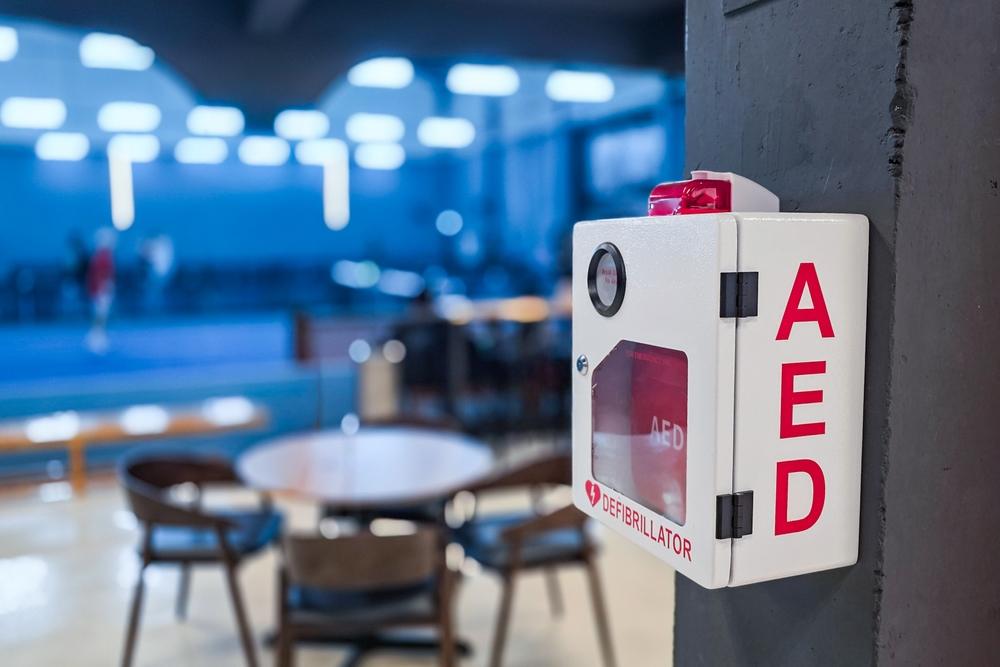
Who Can Be Held Responsible When an AED Fails?
In a Venice AED injury case, liability is not limited to one type of individual or organization. Our team will often evaluate multiple parties to determine who may have contributed to a preventable injury involving an automated external defibrillator. These cases can involve layered responsibility depending on where the emergency occurred and how responders handled the situation.
One common category of negligent parties includes property owners and business operators. These entities may be responsible for ensuring that an AED is properly maintained, accessible, and supported by trained staff. If an AED is missing, expired, or unavailable during an emergency, liability may arise.
Another potential party is third-party maintenance providers. Some facilities rely on outside vendors to inspect or service AED equipment. If those providers fail to perform proper checks or overlook important issues, they may share responsibility for resulting harm.
We can also evaluate employees and on-site responders in these cases. Improper use of the device, failure to follow emergency protocols, or delays in response may all contribute to injury outcomes.
In some situations, manufacturers or distributors may be responsible if device defects or warnings are involved.
Each case requires a detailed review of responsibilities, policies, and actions taken during your emergency event.
How Do You Prove an AED Injury Claim?
Proving your AED injury claim in Venice requires clear evidence showing how the emergency unfolded and how the use or failure to use an automated external defibrillator contributed to your injury. We build these cases by connecting the incident timeline to medical records and witness accounts to establish what went wrong.
- One of the most important steps is securing documentation from the scene. This may include incident reports, security footage, and maintenance logs for the AED device. These records can help show whether the equipment was functional, accessible, and used within an appropriate timeframe.
- Witness statements also play a key role in proving liability. Individuals who observed delays, confusion, or improper handling of the device can help clarify how responders handled the situation. Their accounts often support or challenge written reports from staff or facility managers.
- Medical evidence is equally important in these cases. Emergency room records, follow-up evaluations, and professional reports help establish the severity of your injury and whether faster or proper AED use may have changed the outcome. This connection between action and harm is central to proving your claim.
- Professionals may also analyze response protocols and determine whether responders followed accepted standards of emergency care.
When combined, these forms of evidence create a clearer picture of responsibility and causation.
What Injuries Can Happen After an AED Failure?
AED-related injuries in Venice can range from physical complications caused during emergency response to medical harm linked to delayed or improper device use. Our attorneys review the full scope of harm to determine how the incident affected your health and long-term recovery.
One category of injury involves cardiac complications that worsen when an AED is not applied quickly or correctly. Delays in defibrillation can reduce oxygen flow to your brain and other organs, increasing the risk of permanent damage. In severe cases, this can result in long-term neurological impairments.
Physical injuries may also occur during the emergency response itself. Improper pad placement or repeated shocks can cause skin burns or chest trauma. These injuries may require additional treatment and can add to your overall recovery burden.
Some victims experience secondary injuries caused by loss of consciousness. Falls during cardiac events can lead to head injuries, fractures, or soft tissue damage. These complications often require separate medical attention beyond the original cardiac emergency.
Emotional and psychological effects are also common after AED-related incidents. Anxiety, sleep disruption, and post-event distress may develop, especially when the outcome involves significant health changes.
Each case depends on the severity of the event, the response time, and the condition of the AED at the moment of use.
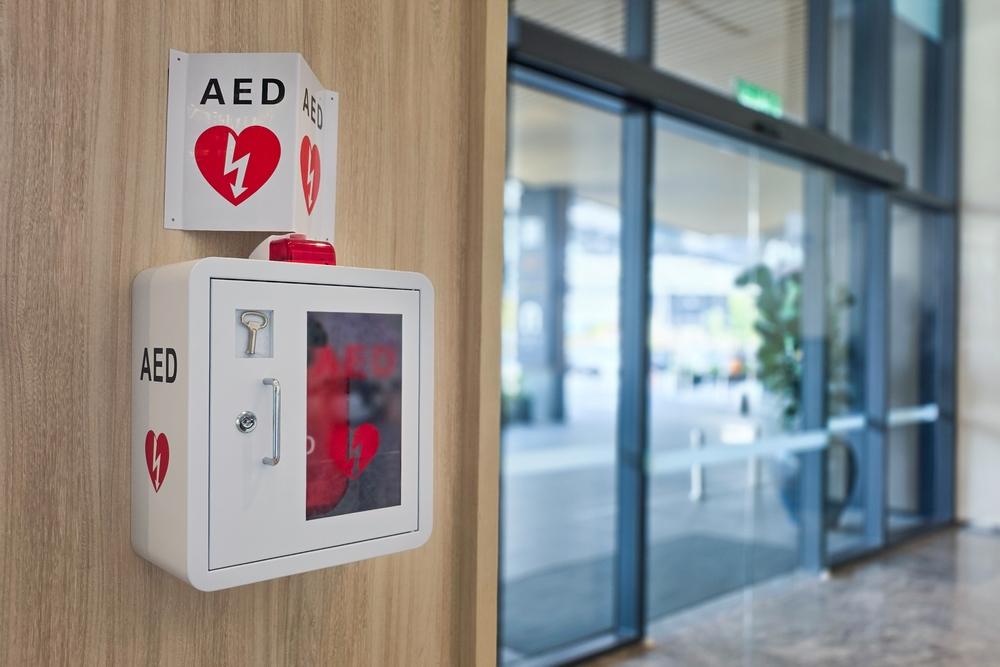
Taking on the Insurance Company in a Venice AED Injury Case
Insurance companies often take a narrow view of AED injury claims in Venice, focusing on limiting payouts rather than fully accounting for the harm you suffered. Our lawyers address this issue by building a claim that documents every category of loss and challenges any attempt by the insurance company to minimize responsibility.
One common tactic used by insurers is disputing whether the AED response actually changed the outcome. They may argue that the underlying medical event may have led to the same outcome regardless of intervention. Overcoming this requires detailed medical records and professional review.
Another challenge involves undervaluing long-term effects. Insurers may focus only on immediate hospital costs while ignoring ongoing care needs such as rehabilitation, follow-up treatment, or reduced ability to return to daily activities. A strong claim includes documentation of both your current and future medical needs.
Insurance adjusters may also question liability by shifting blame to third parties, such as facility staff or maintenance providers. They often use this strategy to delay or reduce settlement offers. Careful investigation helps identify all responsible parties and strengthens your overall claim.
Effective negotiation involves presenting a complete picture of the incident, supported by records, witness accounts, and medical opinions. When someone fully develops the evidence, insurers find it harder to dispute the seriousness of your injury or the value of your claim.
Where Do AED Injuries Happen in Venice?
Venice sits along U.S. 41 with a predominantly older population and an elevated rate of cardiac events compared to younger Florida communities. That demographic reality makes properly maintained AEDs in Venice's public and commercial spaces especially important.
High-traffic locations along U.S. 41, Jacaranda Boulevard, and the Venice Community Center corridor are all settings where cardiac emergencies occur and where AED availability and condition can determine outcomes.
Sarasota Memorial Hospital Venice Campus on Laurel Road serves as the primary acute care facility for the area. Because Sarasota Memorial operates as a public hospital district, claims involving AED failures at or connected to its facilities may be subject to Florida's sovereign immunity statute, which can affect recoverable damages.
Identifying whether sovereign immunity applies is an early and critical step in evaluating your claim.
Centennial Park, waterfront recreational areas, and the growing number of fitness facilities serving Venice's active retiree community also present elevated AED risk. A device that is improperly maintained, inaccessible, or used incorrectly in any of these settings can produce the kind of preventable harm that forms the basis of a legal claim.
Hale Law investigates AED injury cases throughout Venice by reviewing maintenance records, device placement, and compliance with Florida's Cardiac Arrest Survival Act to identify where the system failed and who bears responsibility.
Important Steps You Should Take Following an AED Injury in Venice
After an AED-related injury in Venice, the actions you take in the days that follow can directly affect the strength of your claim.
One of the most important steps is to document everything connected to the incident. This includes identifying witnesses, documenting where the AED was located and used, and recording any visible signs of misuse or device malfunction. Written notes taken soon after the event can help establish a clear timeline.
It is also important to secure all records related to the AED itself. Maintenance logs, inspection history, and placement records may reveal whether the device was properly maintained or accessible at the time of the emergency. These details often become central in determining responsibility.
You should also avoid discussing the incident with insurance representatives before speaking with our legal counsel. Insurance companies use early statements to limit or dispute your claim later. Instead, focus on preserving information and contacting our attorneys as soon as possible.
Reaching out promptly allows our Venice AED injury attorneys to begin investigating potential negligence, identify responsible parties, and gather supporting evidence while it is still available. It also helps prevent gaps in documentation that can weaken your position.
| Action | Purpose/Benefit |
|---|---|
| Document everything connected to the incident (witnesses, location, misuse) | Establish a clear timeline for the claim. |
| Secure all AED records (maintenance logs, inspection, placement history) | Determine if the device was properly maintained and accessible to establish responsibility. |
| Avoid discussing the incident with insurance representatives | Prevent insurance companies from using early statements to limit or dispute your claim. |
| Contact attorneys promptly | Start investigating, identify responsible parties, and gather supporting evidence while it's still available, preventing documentation gaps. |
Talk to Our Knowledgeable Venice AED Injury Attorneys Today
Florida's two-year statute of limitations means the clock on your claim is already running. Hale Law prepares every case for trial, pursues every liable party, and never settles for what an insurance company decides your injury is worth.
For a free case evaluation and legal consultation with our skilled AED injury attorneys in Venice, please call us at (941) 735-4529 or contact us online right away.